
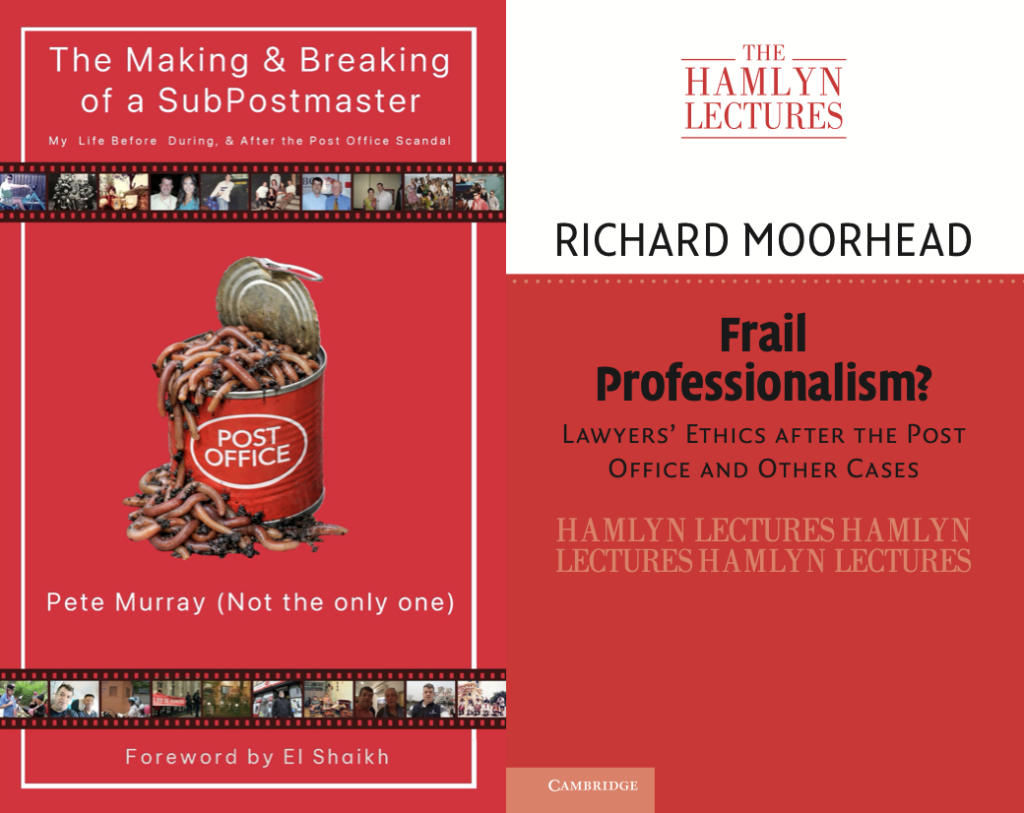
Former Subpostmaster Pete Murray and current Professor Richard Moorhead have both written two very different books relating to the Post Office scandal. They are out this week.
The Making and Breaking of a Subpostmaster
I first spoke to Pete Murray whilst the Bates v Post Office group litigation was active. Pete had taken on the Hope Farm Road branch in Great Sutton in 2014, a year after being made Subpostmaster at Grove Road in Wallasey. Pete had not been told by the Post Office that the previous Subpostmaster at Hope Farm Road was Martin Griffiths, who took his own life after the Horizon IT system swallowed all his and most of his family’s savings.
Pete soon found that the same malfunctioning kit was swallowing all his takings, then his savings whilst destabilising his entire world. The Post Office told him he had a £35,000 discrepancy and were demanding he hand it over, without, in his words, “showing or telling me what I have done wrong.”
Throughout May 2019 whilst his dispute was still very much live, Pete and I collaborated on a series of articles for the Post Office Trial website, which go into some detail about the total dysfunction of the Post Office and its callous disregard for Subpostmasters.
The Making and Breaking of a Subpostmaster is not just about Pete’s experience at the hands of the Post Office. It details a rich and colourful life, including the many years he spent living in South East Asia. Eleanor Shaikh has written a forward for the book, in which she says Pete “recalls the vibrant characters who crossed his path in remote and exotic locations, as then untouched by the wave of mass tourism which inevitably followed. His account is steeped in an intimate knowledge of the local culture, language and geography, borne of a long and lingering love affair with Vietnam.”
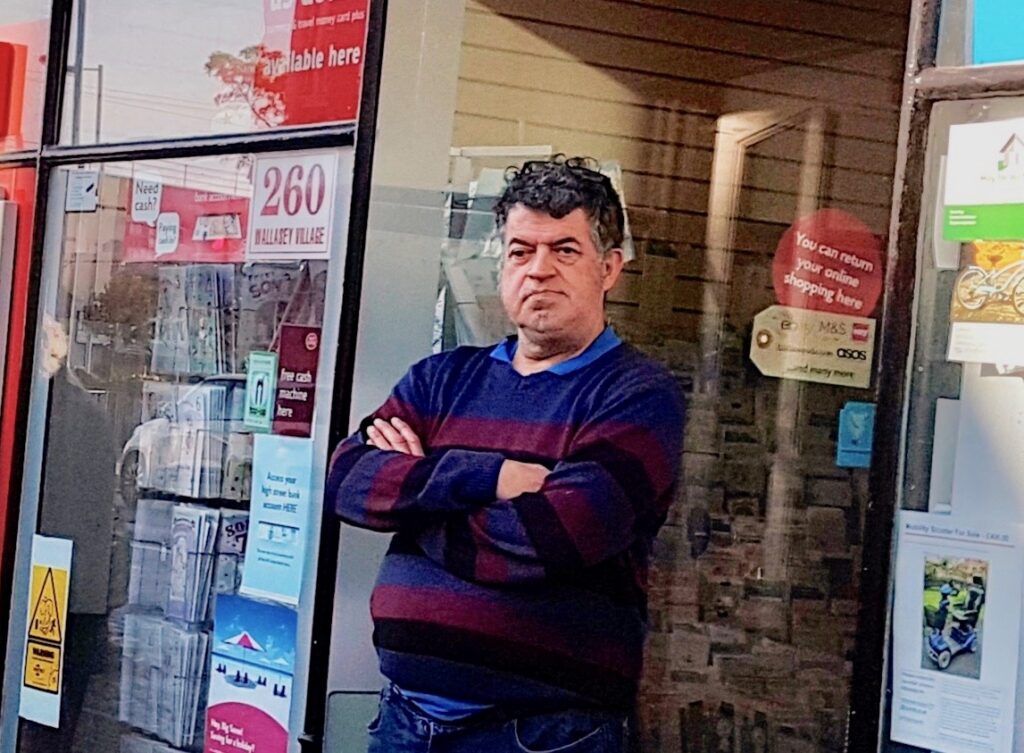
When it comes to his time running two Post Office branches, Eleanor says Pete “pulls no punches in condemning those anonymous – and sometimes not so anonymous – figures of the Post Office’s corporate world who so spectacularly betrayed him. His tone shifts from a natural levity to exasperation and unreserved criticism; the vitriol of his commentary is not for the faint hearted.”
Pete told me finally finishing the book was “a huge relief”. He says “I hope that people who read it will laugh with me. I even hope that it makes people cry. I have cried enough. I hope that it gets the message across about the massive elephant in Sir Wyn’s room – the one staring everyone in the face, swinging it’s trunk about like a playground bully – the culture at Post Office Ltd, which has still not been addressed.”
Pete also proudly shared a comment sent to him by a friend from Adelaide called Kerry. She told him “it’s absolutely fucking brilliant. Basically a masterclass in revenge, which I thoroughly enjoyed.”
Kerry’s more considered take for the Amazon website reads as follows:
“This book is no snack. It’s fifty sumptuous chapters, savoured like a 50-course degustation with fine wine pairings. Yet beneath that richness lies a deeply moving account of a man who has endured devastating personal consequences, relentless attempts to discredit and obscure his truth, and profound suffering. What makes this autobiography so compelling is not simply that it lays bare what he has endured, but that he has not succumbed to it. He has overcome – and in doing so, left me with a profound understanding and admiration for the resilience, courage and strength taken to survive this utterly humiliating journey. I hope all Subpostmasters and their families take heart from this expose.
It’s not you, it’s them.”
You can buy a copy of Pete’s book via Amazon here. Hard copies, I am told, are coming soon. I can’t wait to read more about Pete’s experiences and his reflections on them.
Frail Professionalism
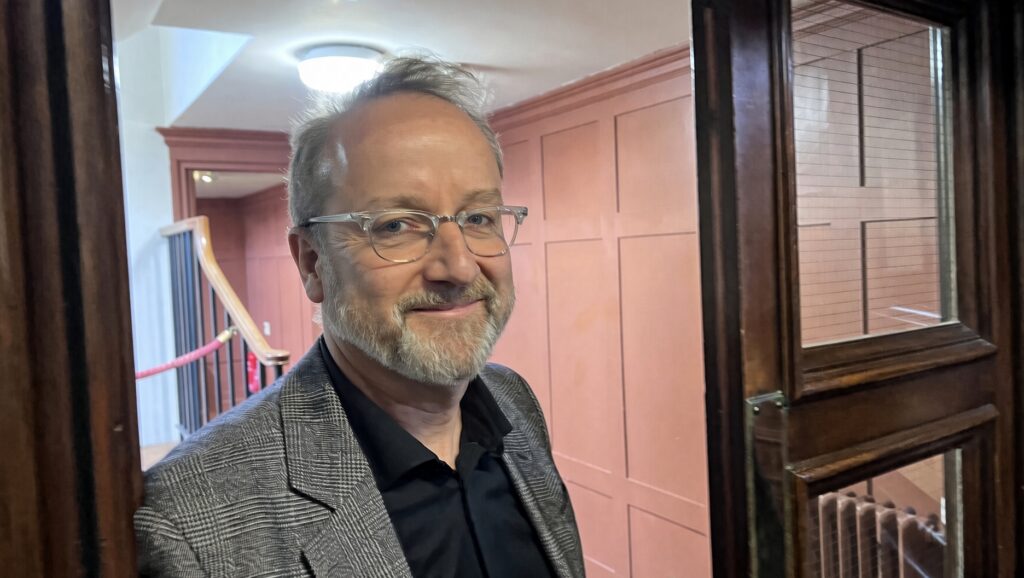
Whilst I am quite certain Pete’s book will be a rip-roaring read, I am feel as if I am mentally girding my cranium before diving into Professor Richard Moorhead’s book-of-the-Hamlyn-lecture series Frail Professionalism? Lawyers’ Ethics After The Post Office and Other Cases.
I attended the London leg of Richard’s Hamlyn lecture (where I got to meet Bates v Post Office managing judge Lord Justice Fraser) in November 2024. I must admit a lot of what Richard said that night sailed over my head. I am sure I could have understood it if I was concentrating really hard and was able to rewind him a bit, but I wasn’t and I couldn’t so I got a bit lost. I am therefore delighted that Frail Professionalism is out, and what’s more – available as a free download, thanks to the generosity of the Economic and Social Research Council, who also funded Prof Moorhead’s Post Office Project.
In a recent newsletter, Richard said “I have tried to make the book accessible to anyone interested in the scandal, all practising lawyers, and academics and policy makers interested in trying to improve the way lawyers think and behave.”
When I asked him what a lay person might get out of his book, Richard told me he hopes readers “will get a sense of how much of the Post Office scandal was caused by lawyers, why lawyers did what they did. The early chapters of the book just tell that story. I think anyone interested in the scandal will get something from that. The middle part of the book is a bit more nerdy – but hopefully still of interest to some.”
Richard’s aim is to show “how part of the problem was individual wrongdoing but also how much of this is a cultural problem in law and business. A culture of ‘yes-men and women’ needs to be tackled when integrity is jeopardised.
“When Subpostmasters tell me, as they often do, there is one law for them and another for us, I think they are experiencing the consequences of that culture. Dissembling, bullying the weak, and cover-ups are encouraged by certain business and professional cultures and I end the book by suggesting what needs to be done about that.”
A review and interview in the Law Gazette calls Frail Professionalism a “bracing” read. That is good enough for me. I’m going in, and because it’s a book, I can rewind it if there’s anything I am struggling to understand. Get it here.
By my reckoning there are now five published books written by Subpostmasters. The others are:
Judge Me If You Can – by the former Shoreham Subpostmaster, Sami Sabet.
Signed Sealed Destroyed – by the former Alderley Edge Subpostmaster, Scott Darlington.
Why Are You Here, Mrs Hamilton? – by the former South Warnborough Subpostmaster, Jo Hamilton.
The Stamp of Innocence – by the former Gaerwen Subpostmaster, Noel Thomas.
They’re all available on Amazon, and I highly recommend them.
The journalism on this blog is reliant on your financial support. If you would like to join the “secret email” newsletter, please consider making a one-off donation. The money is used to keep the contents of this website free. You will receive occasional, irregular but informative email updates about the Post Office Horizon IT scandal and a warm glow at supporting free-at-the-point-of-consumption public interest journalism.



Leave a Reply